Disability inclusion in practice: Inglewood Little Athletics
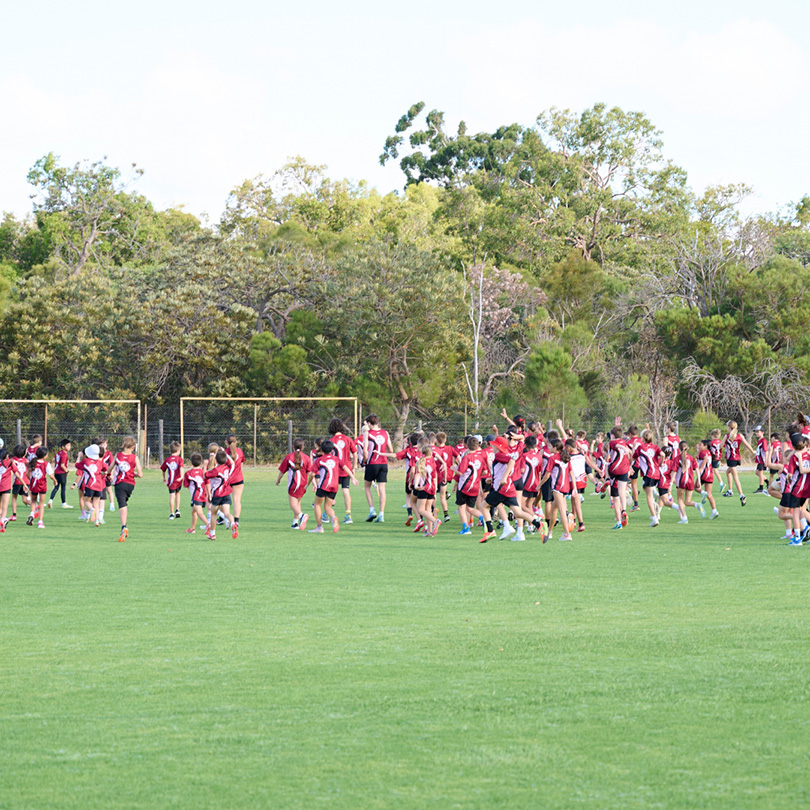
Inclusion in sports means that everyone has a meaningful opportunity to participate – something that the team at Inglewood Little Athletics Centre is deeply passionate about!
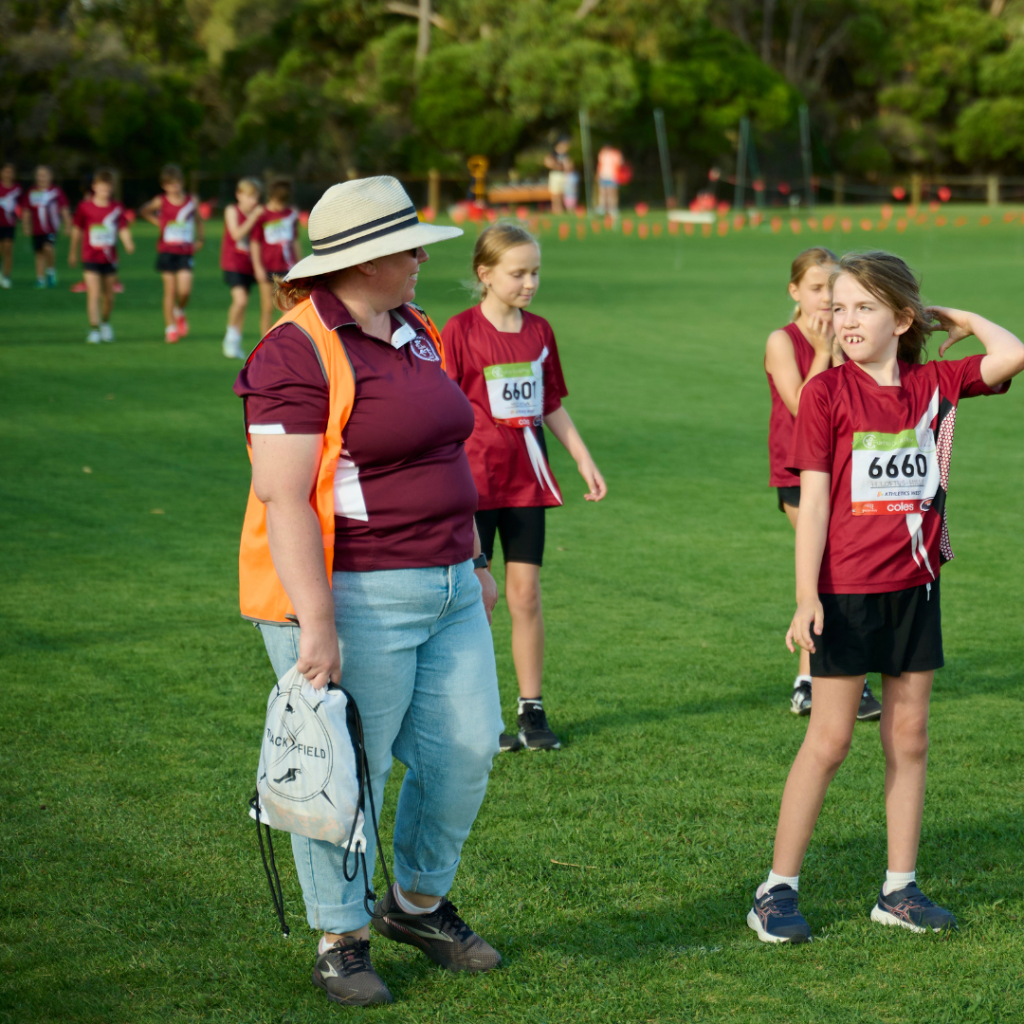
Meet Steph, Rachel and Amy, three (3) volunteers who are driving inclusion at Inglewood Little Athletics. Learn more about how they work to improve disability inclusion in their club, and how it benefits both their members and the entire community.
View video transcript
Video transcript: Disability Inclusion at Inglewood Little Athletics
Steph (Club President): Inclusion means to me personally that everyone has an opportunity to participate. Having an inclusion officer on our committee has been instrumental in making sure our club is able to progress in that inclusive space.
Rachel (Inclusion Officer): I have two children with disability—one with an intellectual disability and rare genetic syndrome, and one who is neurodivergent. We’re working to make it inclusive for everyone, ensuring that everyone has the same opportunities and access to the same information.
Steph (Club President): We’ve had plenty of athletes of all abilities come through who have always been supported. From small things, such as making it known to parents that we have options available for athletes of all abilities.
Rachel (Inclusion Officer): Parents and families can contact us through email, and I can reach out to them to discuss their needs.
Amy (Volunteer Coordinator): I think it comes down to families feeling like they are being listened to and that their concerns are definitely taken on board.
Steph (Club President): When families speak to us about athletes who might need extra support, we connect with our key officials to see where we can modify programs so athletes can participate and progress at their own pace. We also try not to be too rigid in how we run and judge events.
Rachel (Inclusion Officer): Sometimes it’s as simple as changing how we run an event. For example, making hurdles smaller or allowing a shorter distance.
Steph (Club President): We ran a trial during the 2024/25 athletics season using temporary signage, which turned out to be a great success. It acted as a visual indicator so children knew where they needed to be.
Rachel (Inclusion Officer): Visual supports are really important because verbal and auditory information can be missed—not just by people with disability or neurodivergence, but by most people. Clearer information makes things more accessible for everyone.
Amy (Volunteer Coordinator): Being able to offer what we set out to offer—all kids and all families—is really what we’re here for.
Rachel (Inclusion Officer): This is true grassroots sport where any child, regardless of ability, can come, have a good time, and feel included.
Amy (Volunteer Coordinator): Our goal is for kids to come along—whether for training or competition—and have the best experience possible.
Rachel (Inclusion Officer): We rely on families to tell us what they need. That’s one of the key reasons for having an inclusion officer as a clear point of contact, so families can say, “Here are our needs—what can you do for us?”
Rachel (Inclusion Officer): Inclusion also creates safety. If people feel included, they feel welcome—and they want to come back and enjoy the experience. If we’re not inclusive, people won’t return if they don’t feel safe.
Steph (Club President): It’s extremely important to make sure everyone feels valued, can participate in our centre, and benefit just like any other athlete.