The Inclusion Spectrum – video
View video transcript
Video transcript: The Inclusion Spectrum
Narrator: Sport should be for everyone—but how do we make that happen? The answer isn’t one-size-fits-all. It’s about having a spectrum of options.
Narrator: Meet the Inclusion Spectrum—a practical planning tool that gives coaches and clubs five different approaches to organise activities. It’s not about choosing just one method, it’s about matching what you offer with what your participants need.
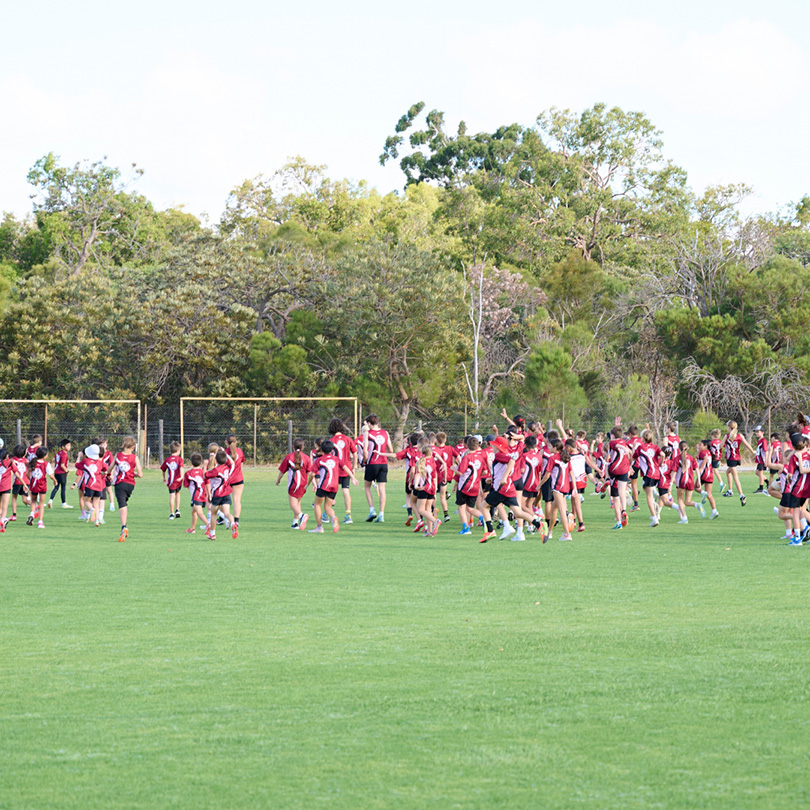
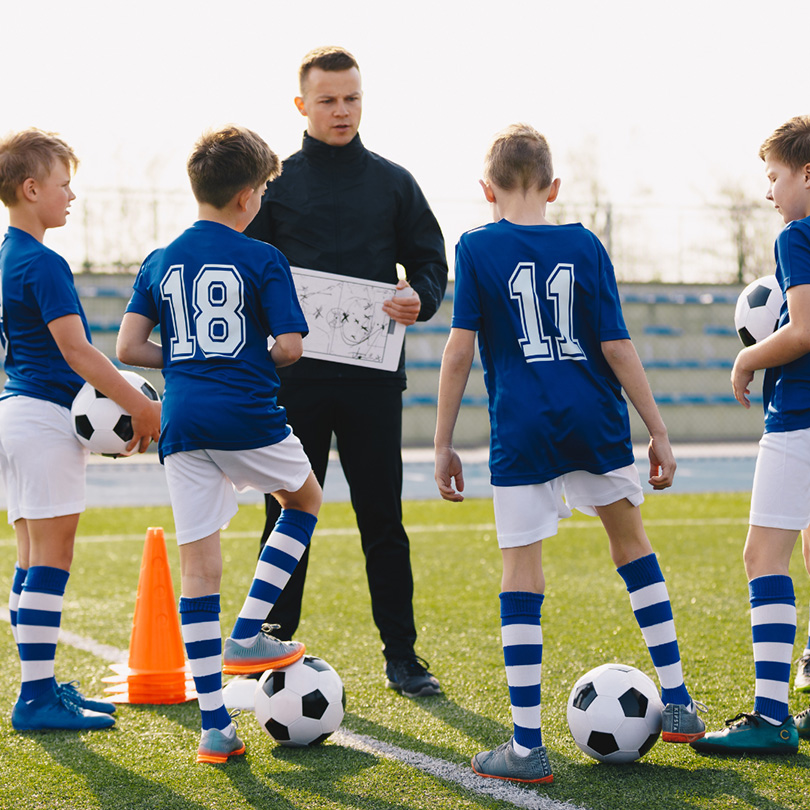
Open activity: No modifications are needed. Everyone participates together in the standard format.
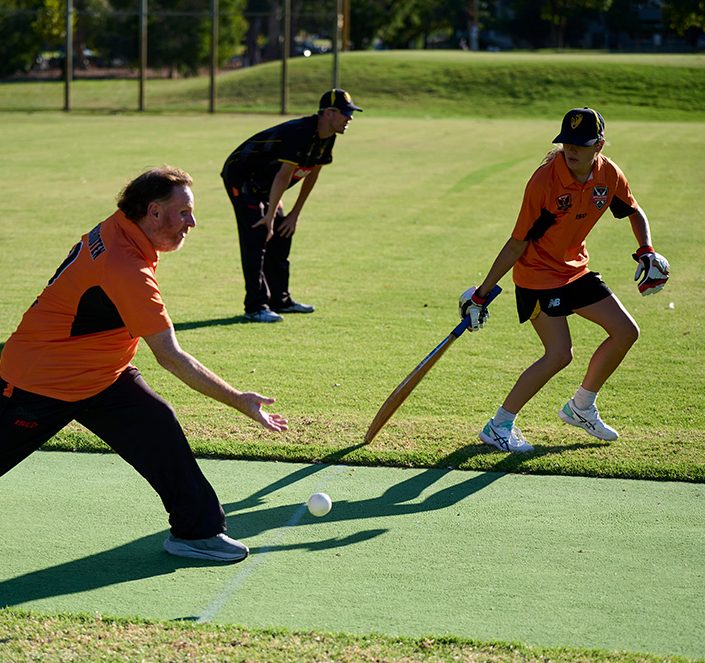
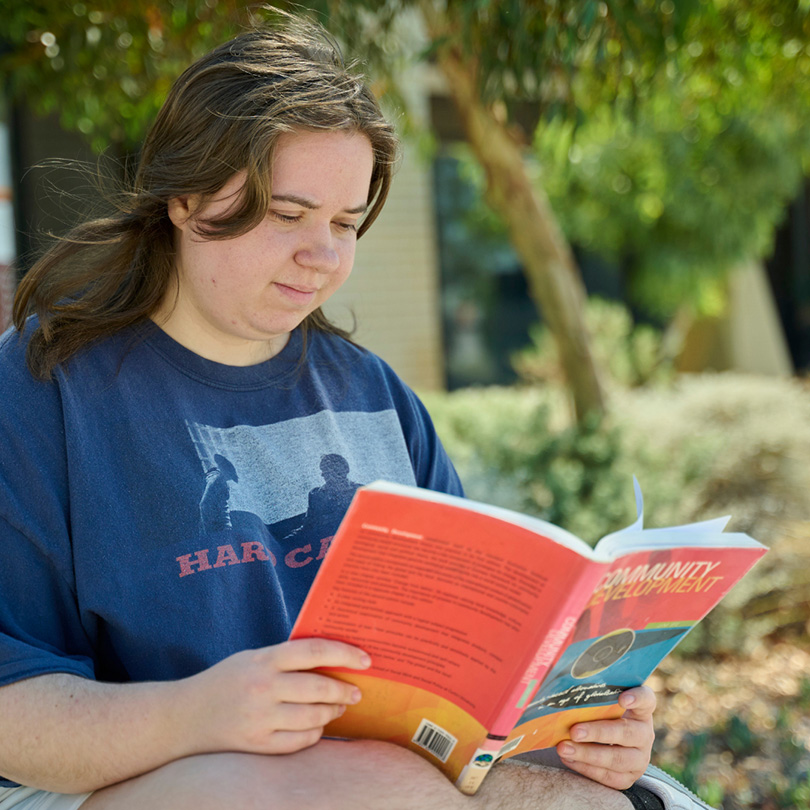
Modified activity: Everyone does the same activity, but space, rules, equipment, or interactions are adapted to suit all abilities.
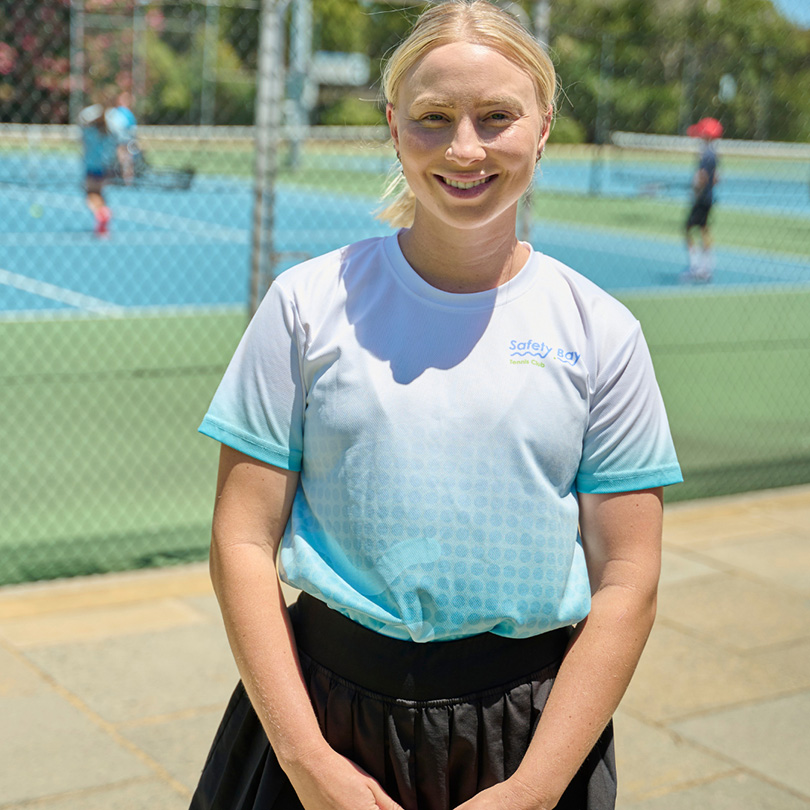
Parallel activity: Participants follow a common theme but work at their own pace or skill level, often in small groups based on ability.
Separate activity: Participants practice individually or with peers of similar ability in separate activities for focused skill development.
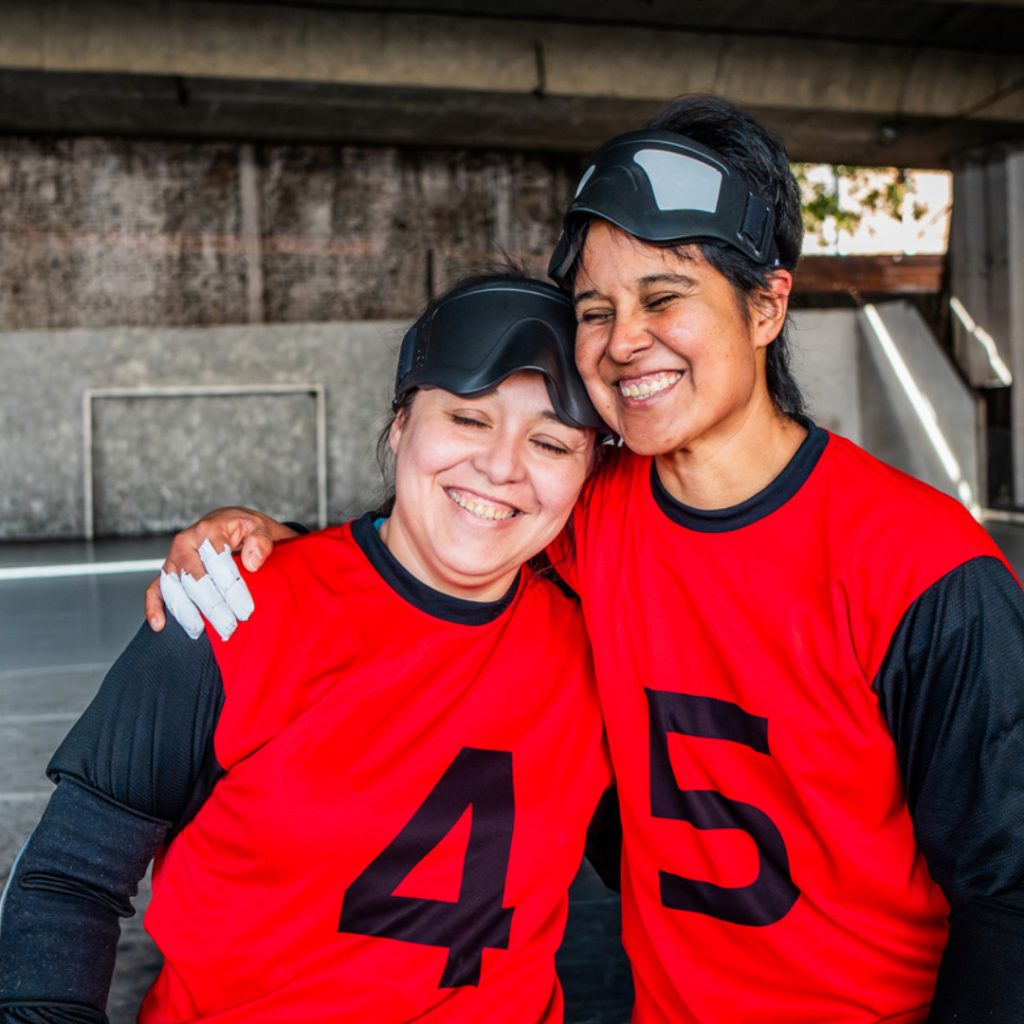
Disability sport activity: These can also include reverse inclusion, where people without disability join in adapted sports.
Narrator: Here’s the thing—you don’t need to pick just one approach. The Inclusion Spectrum is about flexibility. A player might need many modifications in one activity, but only minor adjustments in another. Someone might love competitive disability sport and also enjoy casual mixed games.
Narrator: When you think about inclusion, you create equal opportunities, build stronger communities, and make sport more enjoyable for everyone.
Narrator: You don’t need to segregate—you need to be creative.
Narrator: The Inclusion Spectrum, originally developed by Ken Black and Pam Stevenson—one tool, five approaches, unlimited possibilities.