Disability inclusion in practice: Safety Bay Tennis Club
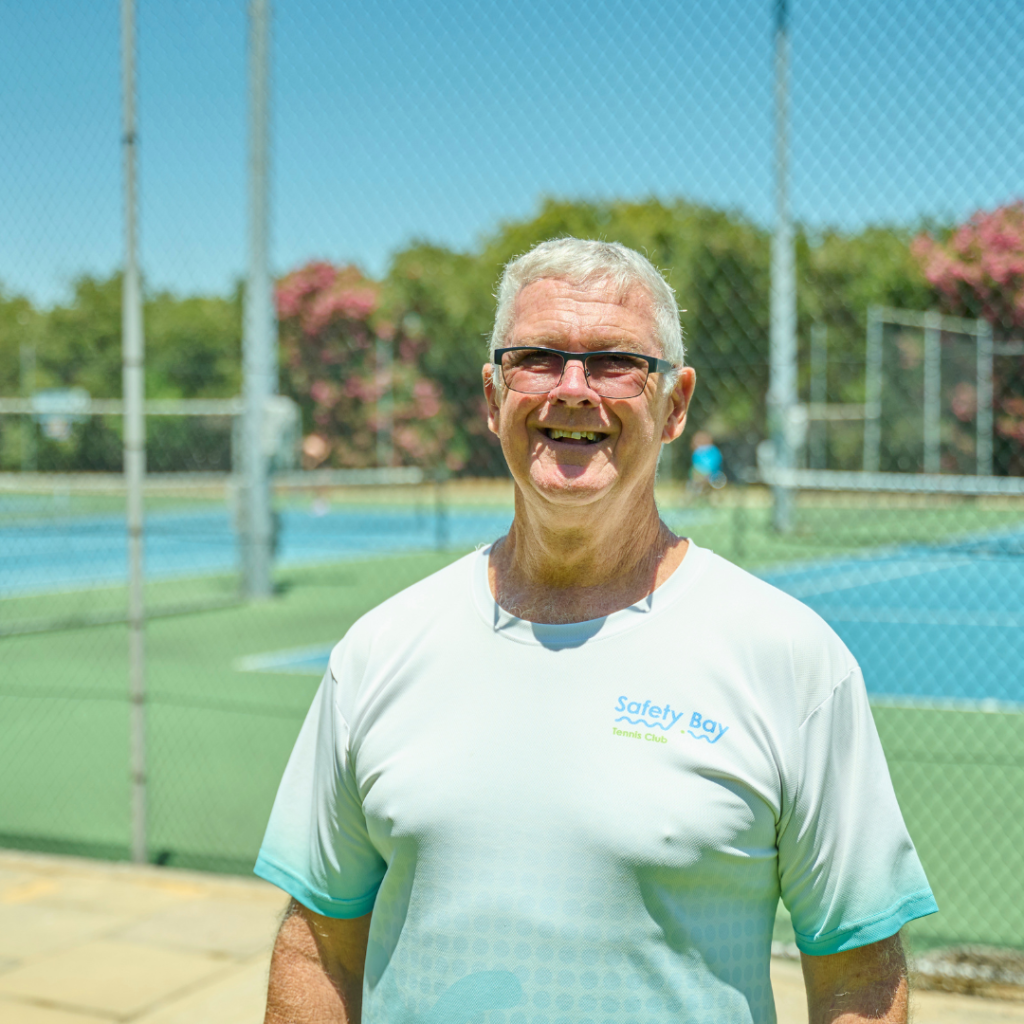
Society is diverse, and community sports clubs should reflect that! Some of the wise words from Terry, President of Safety Bay Tennis Club. We’ll also meet Tess, Wayne and Madeleine, three (3) of the club’s dedicated volunteers who strive to make the club an inclusive and welcoming space for everyone.
View video transcript
Video transcript: Disability Inclusion at Safety Bay Tennis Club
Terry (Club President): The environment that we’ve been working on for probably the last 15 years is a friendly, welcoming environment, so everyone feels like this is a great place to come.
Tess (Player): I love that our club is so family-oriented. Everyone knows each other and everyone is friends.
Terry (Club President): If new people come in, we introduce ourselves—and that’s the starting point.
Wayne (Coach): When I first started playing wheelchair tennis, nobody really wanted a bar of a wheelchair tennis player. But when I came to Safety Bay, I spoke to Shane, the head coach, and he said, “Yeah, I’ll try it. I’ve never done it before, but I’m willing to give it a go.”
Wayne (Coach): When I came here, they made you feel welcome. Everybody wanted you to be here and play with you. They treated you as both a tennis player and rather than somebody with a disability.
Terry (Club President): About 10 years ago, we had a member who helped develop our first strategic plan. That plan got us thinking about a number of things, and inclusion was one of them.
Madeleine (Coach): Inclusion means being able to support every single person who comes through our front gates, regardless of age, gender, ability, disability—absolutely anything. If it helps someone get onto the court, or even just spectate, it can make a real difference in their life. That’s what’s important here, and that’s what we do very well. We have never turned anyone away.
Wayne (Coach): As a club, we need to respect each individual and take them as they are. Don’t try to put people into boxes. Treat everybody the same as you would anyone else.
Terry (Club President): We don’t want anyone leaving the club feeling they’ve had a bad experience at Safety Bay.
Wayne (Coach): If clubs say they want to be inclusive, they need to involve people with disability in the process—whether that’s someone with low vision, autism, or another disability—so they can understand what needs to be done to make it easier.
Terry (Club President): If you don’t have a strategic plan, get one. Write inclusion into it, set goals, and take steps towards them. Make it a focus in your committee and club meetings. Progress happens one step at a time.
Madeleine (Coach): It doesn’t matter how small the act is—simply doing something or being there for people who need it most can make a huge impact. Do what you can now and build from there.
Terry (Club President): We’re planning initiatives like a “Mums and Bubs” day so new parents can come along with their babies and feel supported.
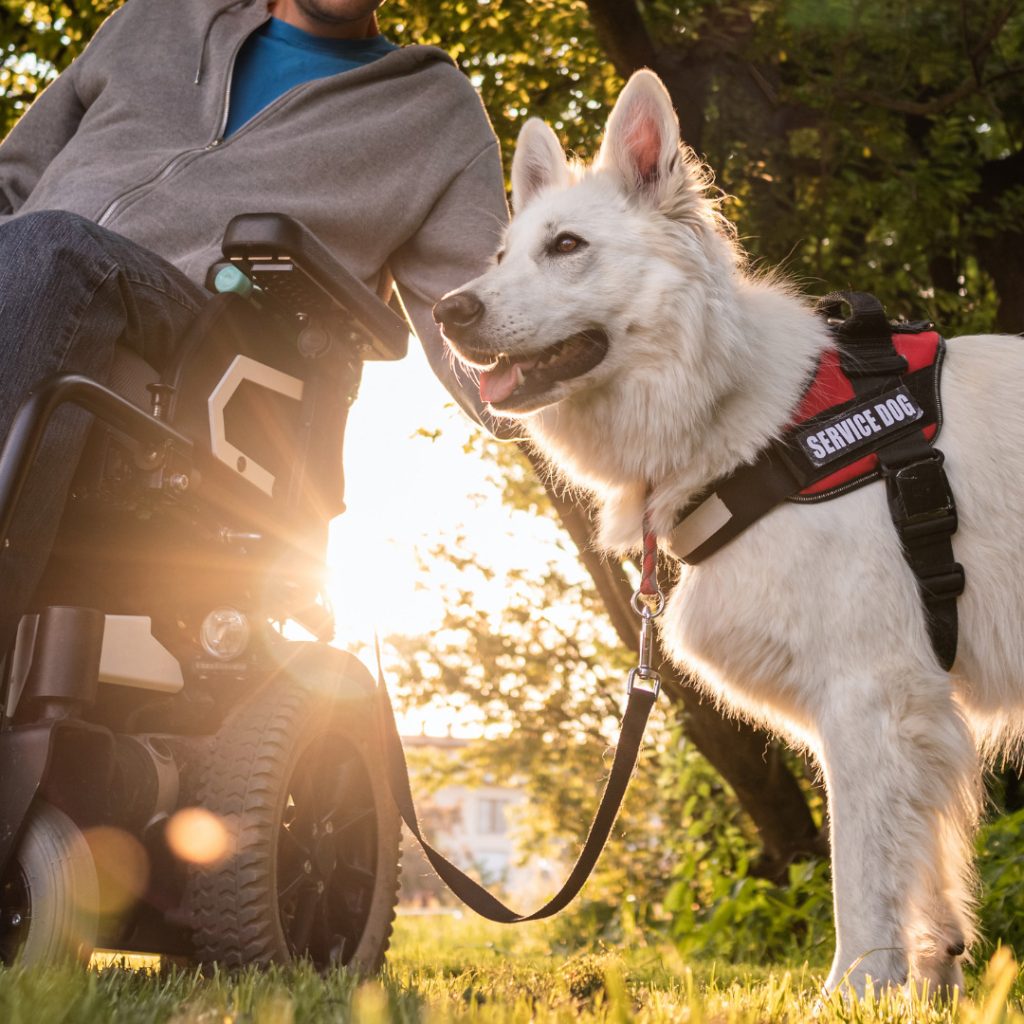
Wayne (Coach): If someone comes in using a wheelchair, walking frame, or any mobility aid, adjust to that person.
Tess (Player): It’s also great for younger kids to see athletes like Wayne—it helps make inclusion normal.
Madeleine (Coach): You don’t have to be a player—you can just love the sport. You can come down, watch, or volunteer. We’re always welcoming new people.
Terry (Club President): Society is diverse, so clubs should reflect that. We’re a public club, so we should be open to everybody.