Co-design group member and sports club founder: Eliya

Say hello to Eliya, one of five (5) members of the co-design group for the WIN Project. Listen to their experience starting an inclusive badminton club from scratch, and how sports clubs can make changes to allow everyone to participate.

View video transcript

Video transcript: Eliya’s Story


Eliya: My name is Eliya. I run a badminton club but I was pretty athletic growing up. I come from a pretty athletic family. My dad was a pro surfer and my mum’s side, they were all did all kinds of sports.


I like to use sport as a way of like taking care of my mind and body and then also connecting with other people. Sport is something that’s very human and it’s something that we’ve been doing since like the beginning of human history.


And when we understand that kind of aspect, we’re able to really meet the core needs that I think a lot of people have when they go to sport clubs, which isn’t always just sport. Like sometimes it is social, sometimes it’s about feeling a sense of autonomy and competence and feeling that relatedness to other people that’s just as important to them as a physical aspect.


Sometimes the best thing to do is to ask like in a democratic way, what people would like and what they think would work. I can make decisions like on my own with these kind of things, but the decisions that are usually the best made are ones where I’ve brought everyone in and asked all their opinions.


I think, I think it’s probably putting people with different identities into positions of power and it’s making sure they have power over the like social and economic aspect of the culture as well.


It’s not being like, you know, this is the club, this is the people who run it and then these are the people we cater to.


It’s all encompassing. Like we are all one club. And having a decentralised format I think has really helped me figure out like how to distribute the power equally.


I think shared values within the leaders and the other members and like a really well made like social and cultural atmosphere. I think that’s what really makes people come back.


I noticed that the times when I’ve had social events right after games, people have been more interested in going back and returning and learning more about the club. Because I think when you only focus on the physical side, you’re neglecting a big reason that people won’t even want to do sports at all. You know, friendship and yeah, feeling a part of something bigger, that’s important.


I’d say it’s being able to go there and know that my voice matters and it’s making active efforts to make sure new people have just as much of a say as anyone else. So there isn’t like a hierarchy unnecessarily and it isn’t like an idea that new people are just like a burdened have to train or something.


It’s like new people are like really welcomed and we’re lucky to have them. It really doesn’t matter what skill level they have. It’s just about what they can get out of it according to their own goals and needs.


You know, it’s not just about, yeah, solving the problem. It’s about developing. It’s about creating. It’s community development, you know, and that’s an entire area that I think is really important to think about.


Like, how do you create something that has its own unique culture and social customs that belongs to itself rather than tackle it like it’s like it’s a job, you know, like it’s a green flag.


If a club already has these set up, regardless of whether they have members that have mobility devices or not, because they’re thinking about future members. They’re thinking about like, future approaches to how to accommodate. And that’s a sign of, yeah, good leadership.


Well, the best thing to do is to just ask, honestly. Don’t think you know better than them. Don’t assume you go up to them. And then you say like, hey, how can I support you? What do you feel like you need?


And if they don’t really know, then I think what helps is just providing options or just asking questions.


Like I’ve been to sports clubs where it hasn’t had a lot of structure in a way that it like, you’d think it would be helpful to not have that structure, but instead it just wasn’t considering how to support people.


It was just sort of almost like neglectful, you know, it’s about having good design, but then also allowing for that to evolve and to change depending on the club and how it changes and evolves too.


Because every time you get new members and every time, you know, the culture shifts, you need to adapt to it.


I found that sometimes I felt like kind of wayward and confused about what to do. And then when I’ve learned like, oh, this is like a whole area of, like, study.


And there are real solutions, like learning about sustainability within the club and how you can make sure that you’re not spending more than what you get. It’s like paying attention to holistic aspects of how the club runs.


Yeah, learning about like how to even run, like how to do effective surveys as well, or how to do that in an informal way for people who don’t want to take it in a more formal way.


It’s a skill about really communicating and interacting with other people, making them feel heard, like active listening.
 

Download video transcript

Guidebook: Building welcoming and connected clubs

A guidebook to support sporting clubs build community, visibility and connections in their local community.

Read moreabout Guidebook: Building welcoming and connected clubs
people with soccer ball and basketball

Inclusive Coaching

Inclusive Coaching [Video]

Read moreabout Inclusive Coaching
people with soccer ball and basketball

Co-design group member and high performance athlete: Bel

[Video] Co-design group member: Bel

Read moreabout Co-design group member and high performance athlete: Bel
people with soccer ball and basketball

Co-design group member, lifelong athlete and eager participant in blind sports: Ryan

[Video] Co-design group member: Ryan

Read moreabout Co-design group member, lifelong athlete and eager participant in blind sports: Ryan
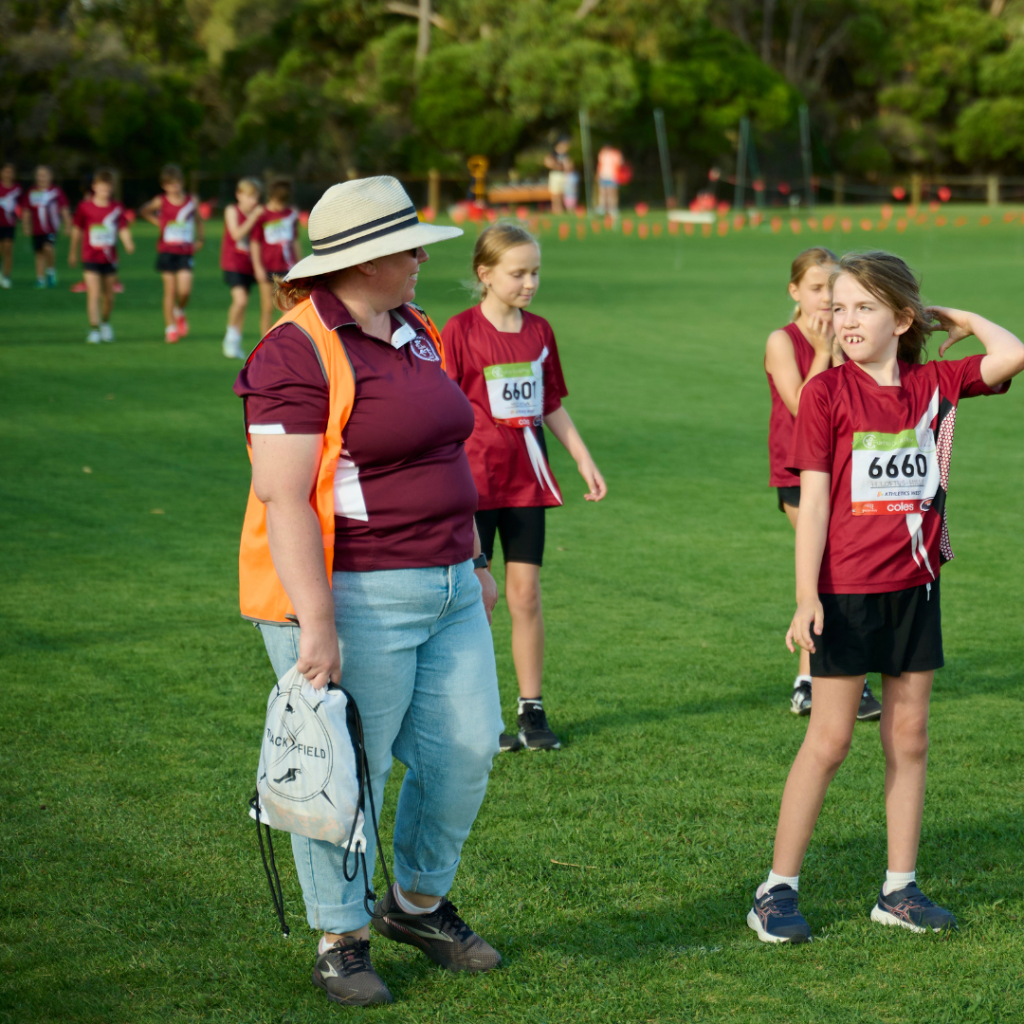
An adult in a hat and orange vest talks to a child wearing a race bib on a grassy field. Other children in matching sportswear are in the background, preparing for a race or event.

Guidebook: Strategies to foster an inclusive club culture

Inclusion starts and thrives with people. This guidebook helps your sports club’s strategies to embed disability inclusion in your club.

Read moreabout Guidebook: Strategies to foster an inclusive club culture
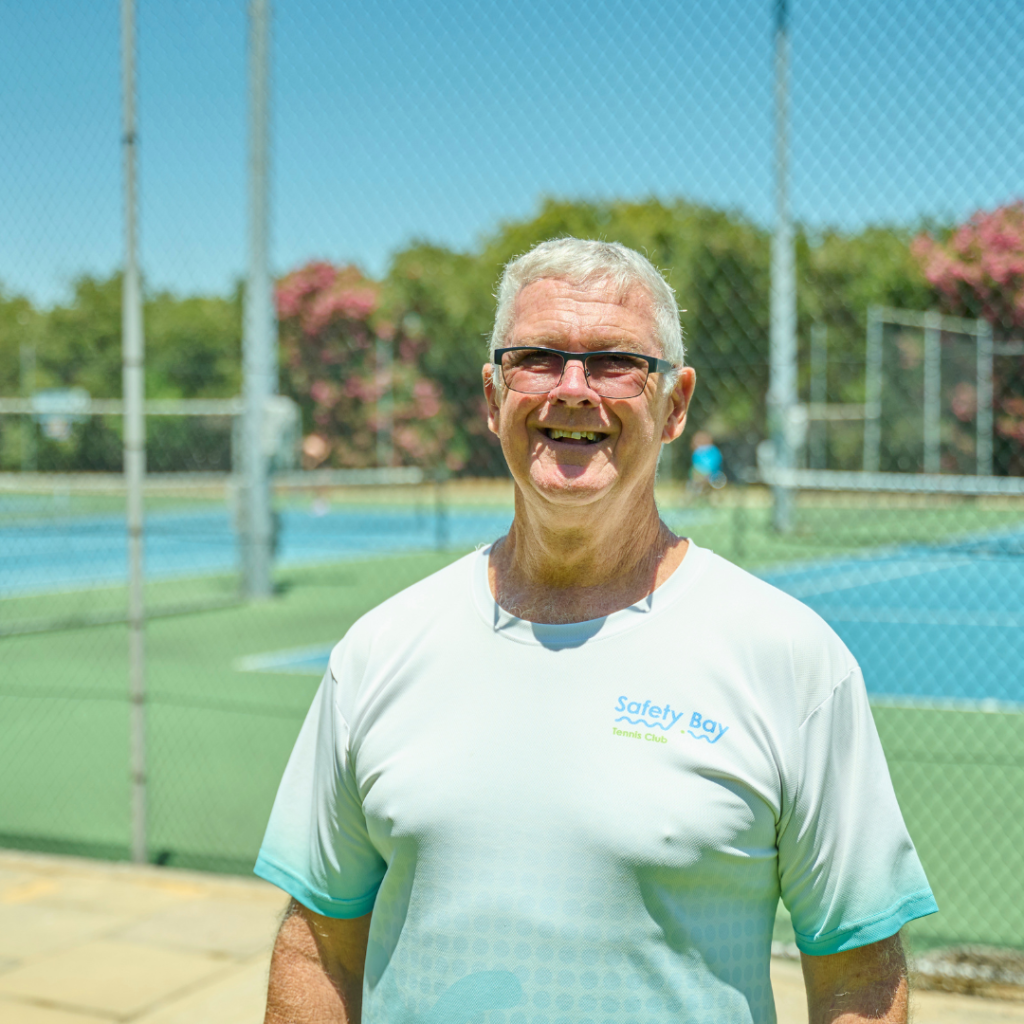
An older man wearing glasses and a Safety Bay Tennis Club shirt smiles while standing in front of outdoor tennis courts on a sunny day.

Guidebook: Tools to embed inclusion in strategies, policies and guidelines

Download this guide to learn more about the foundation of inclusive governance.

Read moreabout Guidebook: Tools to embed inclusion in strategies, policies and guidelines
people with soccer ball and basketball

Co-design group member: Ben

[Video] Co-design group member: Ben

Read moreabout Co-design group member: Ben
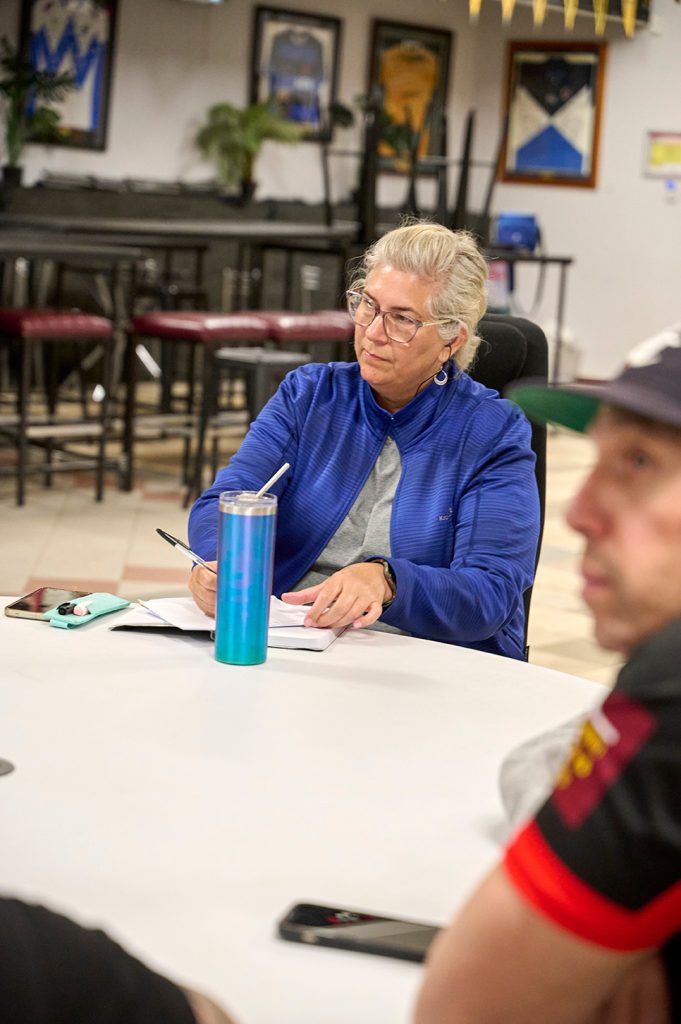
A person with gray hair and glasses writes in a notebook at a table, holding a pen, with a blue tumbler and phone nearby. Another person is partially visible in the foreground.

Guidebook: How to address barriers and boost participation in your sports club

How can you effectively address barriers to participation in your sports club and ensure all athletes with disability can actively engage? Download our guide and discover our 5-step pathway.

Read moreabout Guidebook: How to address barriers and boost participation in your sports club
people with soccer ball and basketball

Co-design group member and committee member: Kelly

[Video] Co-design group member: Kelly

Read moreabout Co-design group member and committee member: Kelly
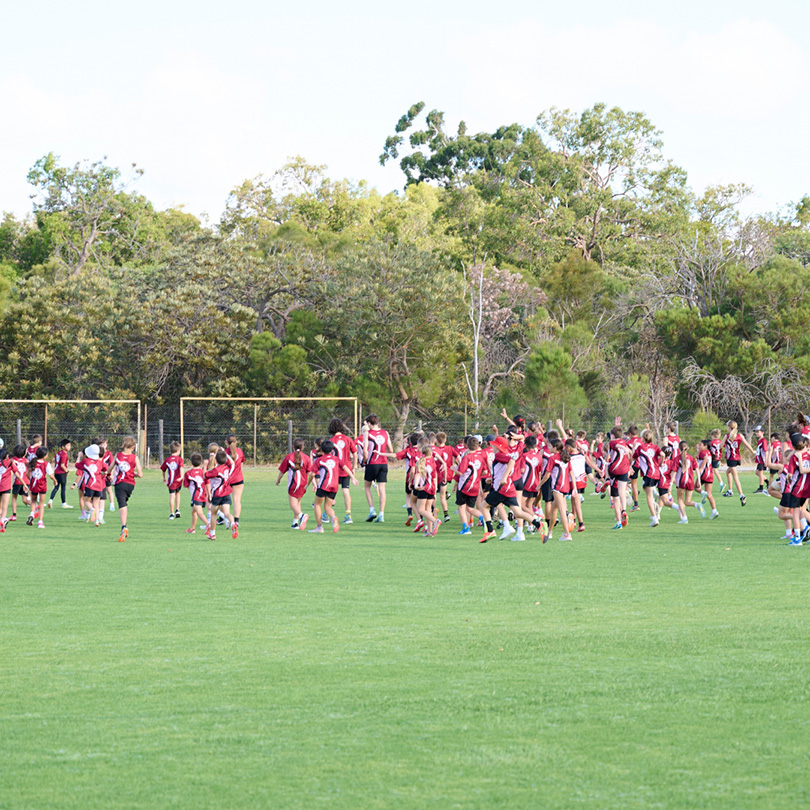
A large group of students in matching red and black uniforms gather and walk across a green sports field, with trees and a blue sky in the background.

How to create inclusive event posters

Looking to learn how to make your posters more inclusive? Download our resource and learn with these straightforward steps!

Read moreabout How to create inclusive event posters
A young woman wearing headphones and a white t-shirt smiles while looking at her smartphone, standing in front of empty stadium seats outdoors.

How to create clear and inclusive social media posts

Writing inclusive social media posts doesn’t need to be hard. Download this resource and discover how to write clear and easy-to-read social media posts that are accessible for everyone.

Read moreabout How to create clear and inclusive social media posts

The NDIS and sport

Learn more about the NDIS and how sporting clubs can make the most out of their collaboration with members who are NDIS participants.

Read moreabout The NDIS and sport
Two smiling women wearing red jerseys with numbers 4 and 5 and black eye masks stand arm in arm, appearing happy and close, in an indoor sports setting.

Coaching tips: Supporting athletes with diverse participatory needs

Learn more about athletes’ different participatory needs and how you, as a coach, can better support your club members to get the most out of their sport.

Read moreabout Coaching tips: Supporting athletes with diverse participatory needs
A person with long brown hair sits outdoors reading a book titled Community Development. Trees and a building are visible in the background.

Inclusive language guide

Start incorporating inclusive language in your sports club with our language guide.

Read moreabout Inclusive language guide
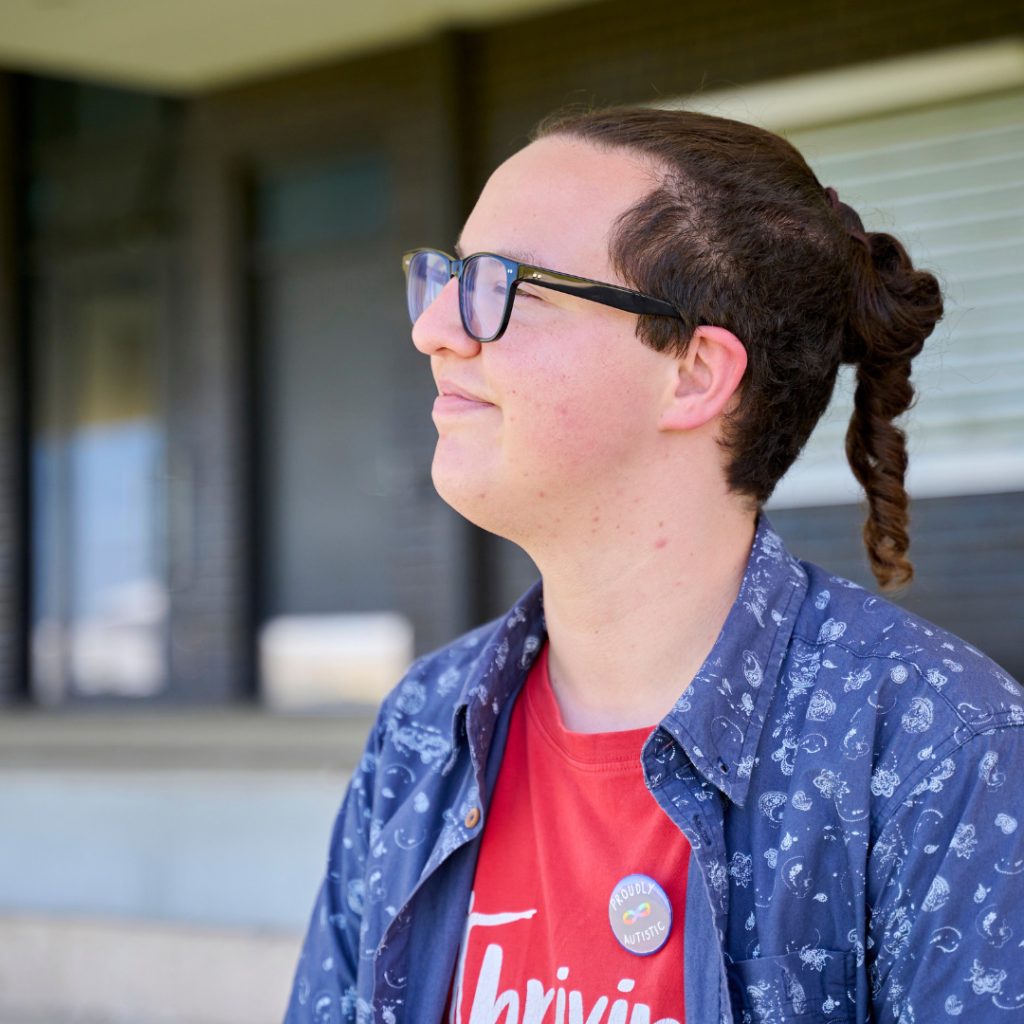
A person with glasses and a ponytail smiles while looking to the side. They wear a red shirt, a patterned blue overshirt, and a button badge, standing outdoors in front of a building with steps and large windows.

Where to promote volunteer opportunities

Learn more about the different platforms you can use to reach potential volunteers.

Read moreabout Where to promote volunteer opportunities
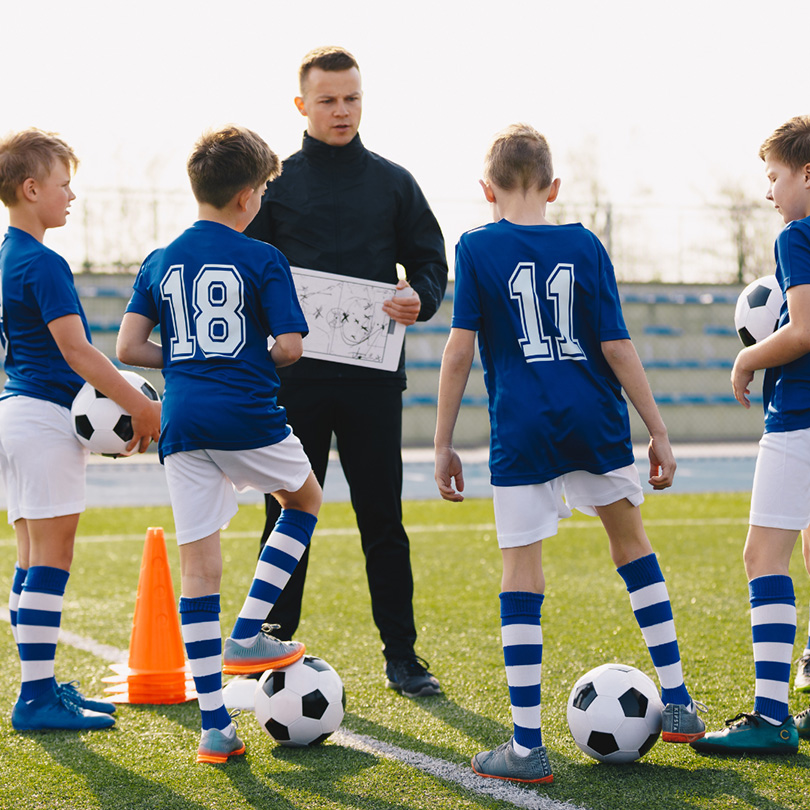
A coach holds a tactic board while giving instructions to four young boys in blue soccer uniforms, each holding a soccer ball, on a field with orange cones.

Inclusive coaching with the TREE Model

Learn more about the TREE model and explore how this useful framework supports coaches to adapt sporting sessions to become more inclusive for everyone.

Read moreabout Inclusive coaching with the TREE Model
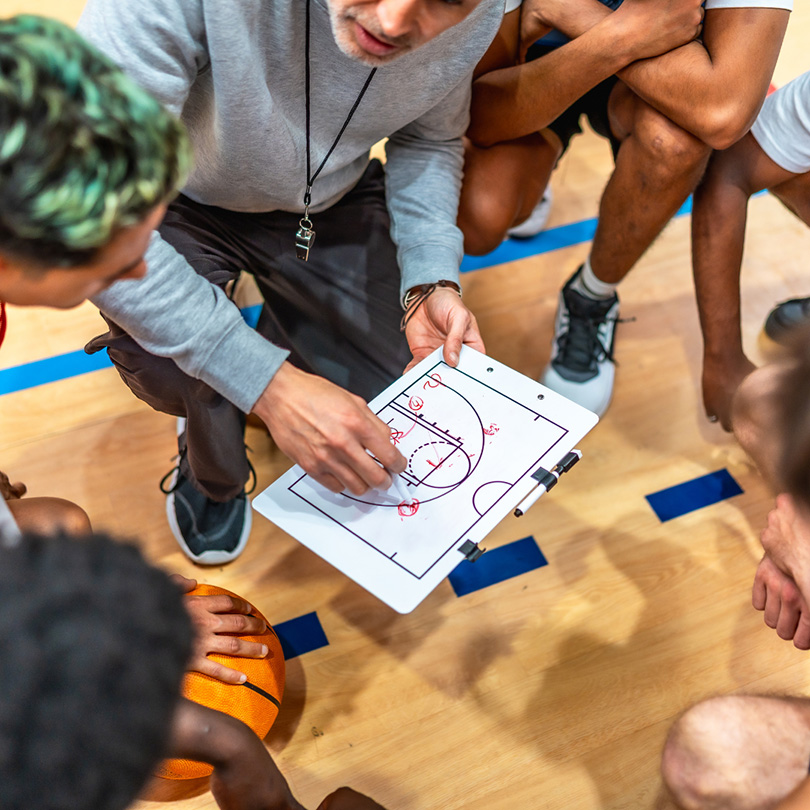
A coach uses a clipboard with a basketball court diagram to discuss strategy with players gathered around on a gym floor.

Attracting, supporting, and retaining members and volunteers

Learn practical steps to ensure members feel supported and welcomed in your sports club.

Read moreabout Attracting, supporting, and retaining members and volunteers
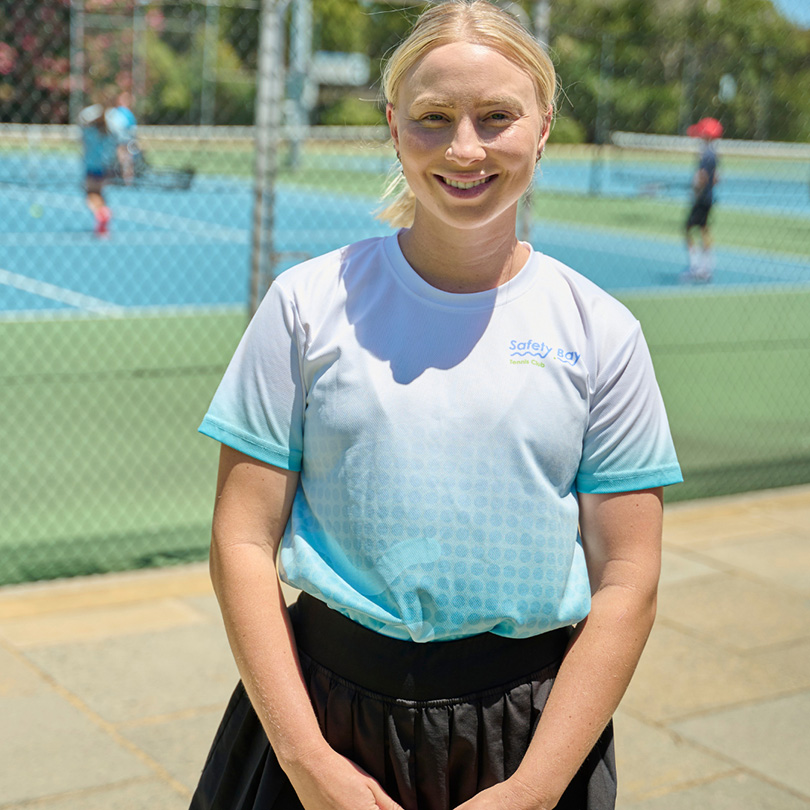
A woman with blonde hair tied back, wearing a white and blue Safety Bay t-shirt and a black skirt, stands smiling in front of a tennis court with players in the background.

Head, heart, hands: Uncover the skills and passions of club members

Discover the experience, skills, interests, and passions of your members. Download this resource and distribute it among new or current members to find out what makes them tick!

Read moreabout Head, heart, hands: Uncover the skills and passions of club members
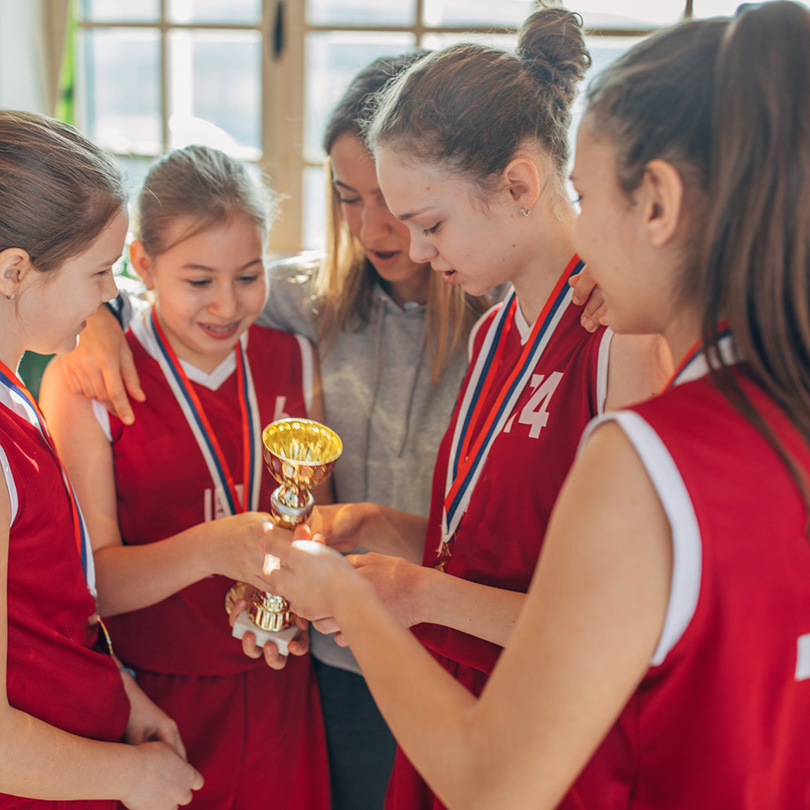
Four young girls in red basketball uniforms and medals gather closely, smiling and holding a golden trophy together, celebrating their achievement with a coach or adult nearby. Sunlight streams through windows behind them.

Inclusive conflict resolution in your club

Conflict happens in every club, and how you respond to it makes the biggest difference. Pausing, staying curious, and involving support networks can help resolve issues effectively. Discover the best practices and pitfalls of inclusive conflict resolution.

Read moreabout Inclusive conflict resolution in your club
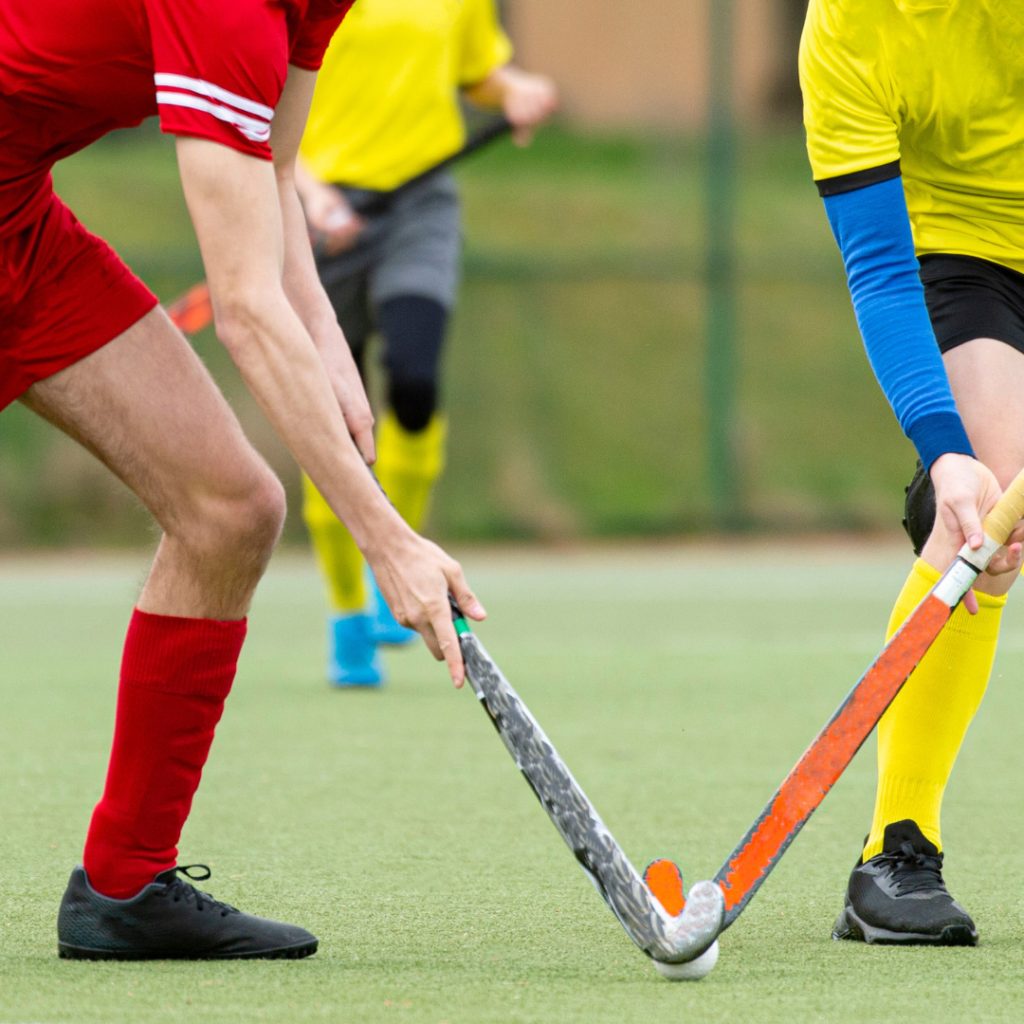
Two field hockey players, one in a red uniform and the other in yellow, compete for the ball on an outdoor field. Only their lower bodies and hockey sticks are visible.

Resources to strengthen your governance

Seeking further guidance on how to take steps toward improved inclusive governance? Explore these websites.

Read moreabout Resources to strengthen your governance
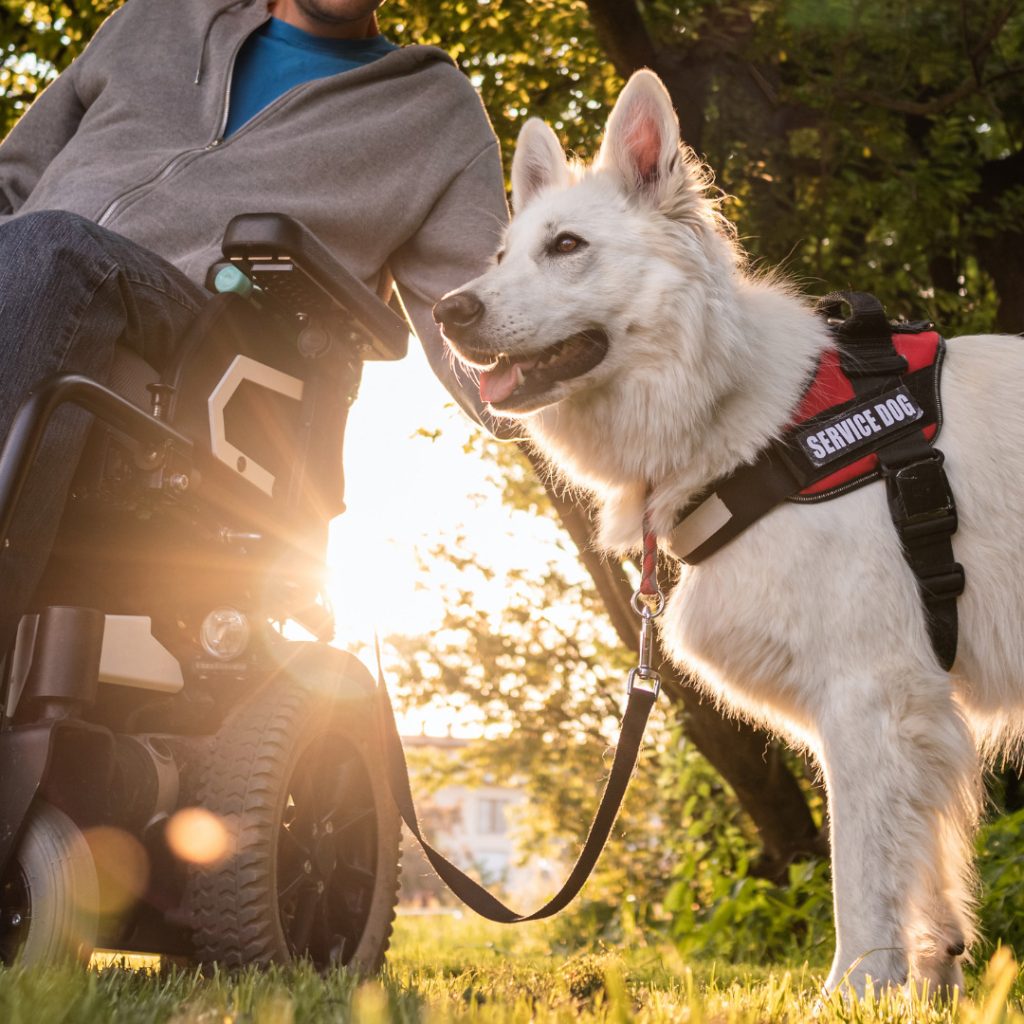
A person in a wheelchair outdoors holds the leash of a white service dog wearing a red vest that says Service Dog. The sun is setting in the background, casting a warm light.

Working together: clubs, people with disability and their support workers

Support workers play an important role in helping people with disability participate fully and confidently. Learn more about the support worker’s role and how to lay the foundation for strong relationships and smooth communication.

Read moreabout Working together: clubs, people with disability and their support workers
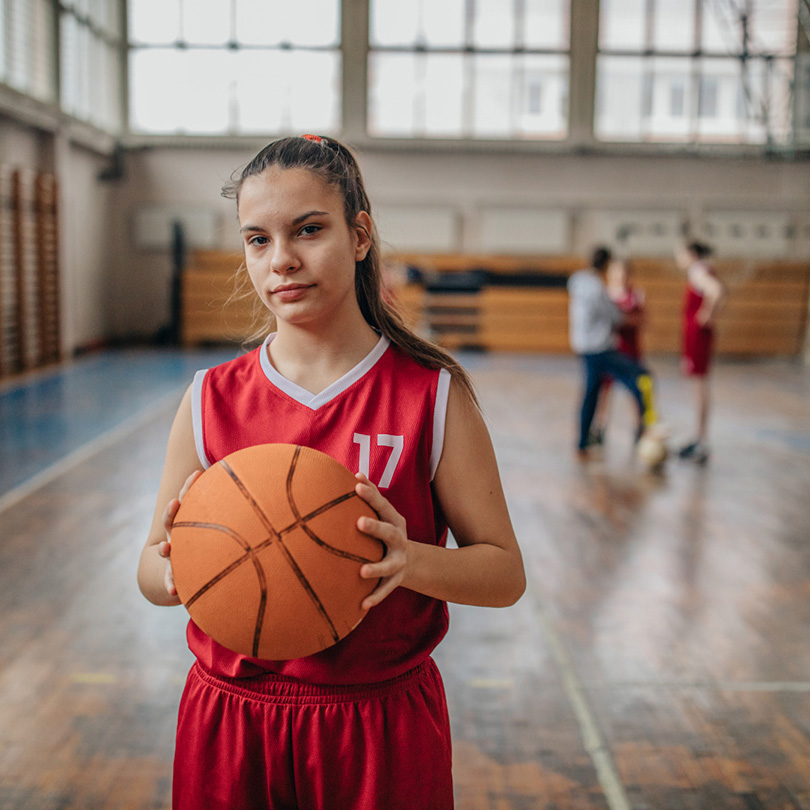
A teenage girl in a red basketball uniform holding a basketball stands in a gymnasium, looking at the camera. Other players in red uniforms are visible in the blurred background.

The Inclusion Spectrum

The Inclusion Spectrum is a five-stage model developed by Ken Black and Pam Stevenson (1996) to help coaches include participants with disability in sport. This resource gives you a brief introduction to the Inclusion Spectrum as well as how it applies to different sports.

Read moreabout The Inclusion Spectrum
Smiling young woman in a red shirt gets her cheek painted with a red stripe while celebrating outdoors with friends.

Inclusive event checklist

If you’re planning an event or sports day for your members, our Inclusive event checklist is a perfect tool to support and guide you in making your event as inclusive, accessible and welcoming as possible.

Read moreabout Inclusive event checklist
A basketball rests on a polished gym floor near colorful training cones, with a person wearing blue and black athletic shoes standing nearby.

Inclusive communication and digital accessibility checklist

Improve digital and physical accessibility as well as inclusive communication with our checklist.

Read moreabout Inclusive communication and digital accessibility checklist
people with soccer ball and basketball

Disability inclusion in practice: Inglewood Little Athletics

Disability inclusion in practice: Inglewood Little Athletics

Read moreabout Disability inclusion in practice: Inglewood Little Athletics
people with soccer ball and basketball

Disability inclusion in practice: Safety Bay Tennis Club

Disability inclusion in practice: Safety Bay Tennis Club

Read moreabout Disability inclusion in practice: Safety Bay Tennis Club
people with soccer ball and basketball

10 tips for a welcoming sporting club

Check out our 10 tips for a welcoming and inclusive sports club.

Read moreabout 10 tips for a welcoming sporting club
people with soccer ball and basketball

The Inclusion Spectrum – video

Discover the Inclusion Spectrum and how to apply it in your sports club.

Read moreabout The Inclusion Spectrum – video
A blue sign with a white wheelchair symbol and a right-pointing arrow, indicating accessible access or parking for people with disabilities. The sign is in front of green bushes and a blurred background.

Guidebook: Improve accessibility in your sports club

A guidebook to help sporting clubs on how to improve their physical and digital accessibility.

Read moreabout Guidebook: Improve accessibility in your sports club