Inclusive Coaching
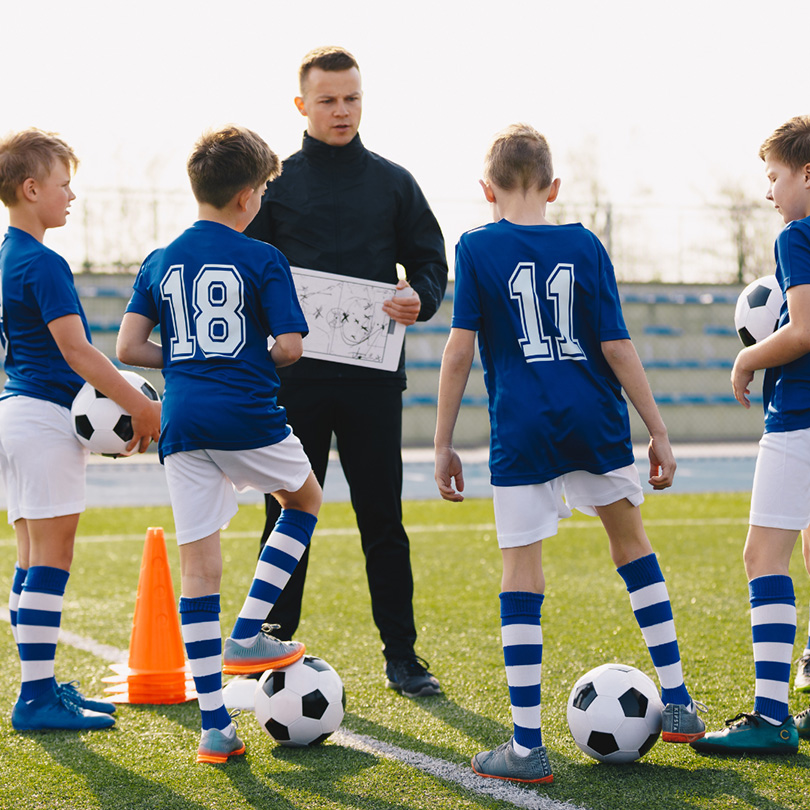
Hear from Ebony and Baxter of the Football Futures Foundation on their approach to inclusive coaching. They share practical strategies that coaches can put into practice at their own club to make training and games more inclusive for players of all abilities.
View video transcript
Video transcript: Inclusive Coaching
Ebony (Coach – Football Futures Foundation) Inclusive coaching means to me that we can make whatever sport that we are coaching for everyone.
Baxter (Coach – Football Futures Foundation) Football Futures Foundation we are an organisation that uses football as a vehicle essentially for social impact and social change.
It is all about having everyone involved and it being accessible to everybody.
And I think the most important thing is helping the kids grow as people and also, you know, enjoying it as well because that’s why they all come back.
Ebony (Coach – Football Futures Foundation) I think it’s important to adapt our coaching style to each individual because no one is the same.
Baxter (Coach – Football Futures Foundation) There’s a lot of small changes you can make, especially from a coaching perspective.
It comes down to like, hey, you guys are only allowed two touches or you need to pass to everyone before you score a goal so that everybody gets a touch on the ball equally.
Because otherwise, if you just leave kids, often what they want to do is just dribble the ball as much as they can and score a goal.
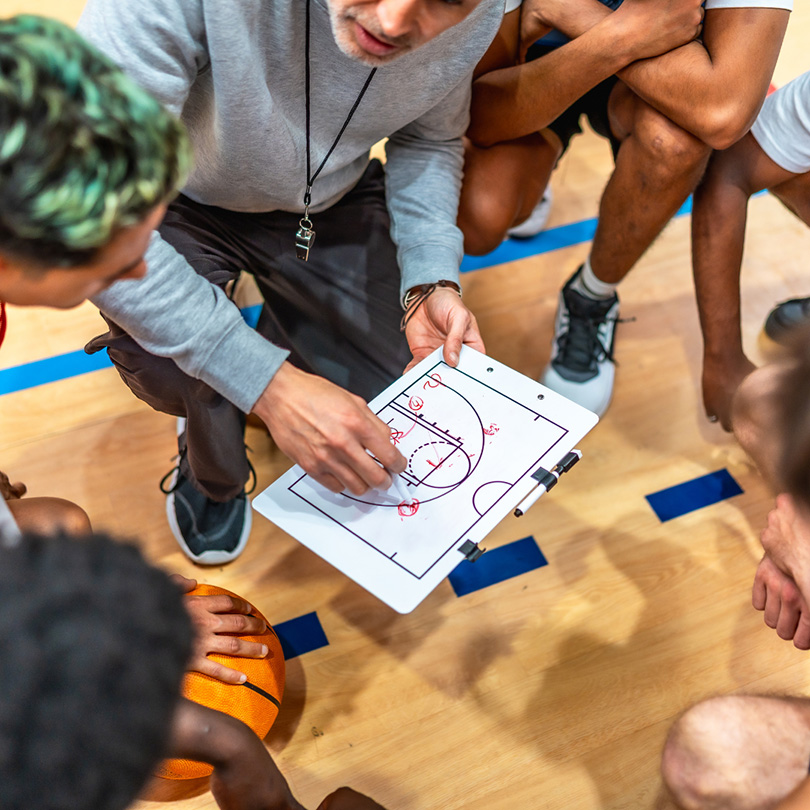
Ebony (Coach – Football Futures Foundation) What you need to do with anyone explaining first through the ears because we listen, I think, then explaining with the visual because again, we also need to see what we’re doing, and then doing a demonstration with them as well.
So really breaking it down.
So you’ve gone across all barriers, all kind of sensory needs as well and breaking it down even further to show maybe what parts of the body we’re using them to show me that they understand by showing me. Those little breakdowns can be the difference between a child knowing how to just do 1 drill. That might be a 5 second thing for someone else.
Baxter (Coach – Football Futures Foundation) And that’s where having a second coach can be of massive value, right?
Because at the same time, I can go and talk to those kids about what they’re needing, get their translator in to do all the sign language or whatever that it is.
They need to communicate that because otherwise they fall behind from the session.
And then as soon as a kid falls behind and all the other kids are getting it, they feel excluded.
And that’s not what inclusivity is.
Ebony (Coach – Football Futures Foundation) We made our own little flash cards and it’s just got a few signs in it.
Things like water, toilet break, dribble, shoot, yes, no, danger.
It’s also their aid for them to hold and be like, OK, they’re showing me the drink card, then I need to understand that they need that drink.
Baxter (Coach – Football Futures Foundation) I think the most important thing is empathy towards the kids.
Each kid has something going on.
No matter who they are, what they look like, how they act.
There is a reason behind that.
So it’s always really important to just be supportive.
Ebony (Coach – Football Futures Foundation) If you go in there and you are feeling excited for them to learn, excited for the for them to be a part of what you’re doing, that I think means more than fancy equipment for them.
Baxter (Coach – Football Futures Foundation) And I think in terms of knowing it’s inclusive is when you see people from such different backgrounds all playing a sport as a team together and working together and having fun together and talking to each other.
Ebony (Coach – Football Futures Foundation) Knowing that my participants have walked away with a smile means more to me than anything.
Baxter (Coach – Football Futures Foundation) Because the most important thing is enjoyment and fun and developing social connection with people because you get a lot more out of that than winning on a Saturday.